The Internet of Things (IoT) constituents can
generally be divided into four primary groups, each of
which is essential to the harmonious operation of an
IoT ecosystem:
Hardware. This refers to the actual components of the
Internet of Things system, such as controllers,
sensors, and devices. Sensors that gather
environmental data are found in a wide variety of
devices, from commonplace items like wearables or
smart thermostats to industrial machinery. By
controlling device operations, controllers enable
automated reactions to sensor inputs.
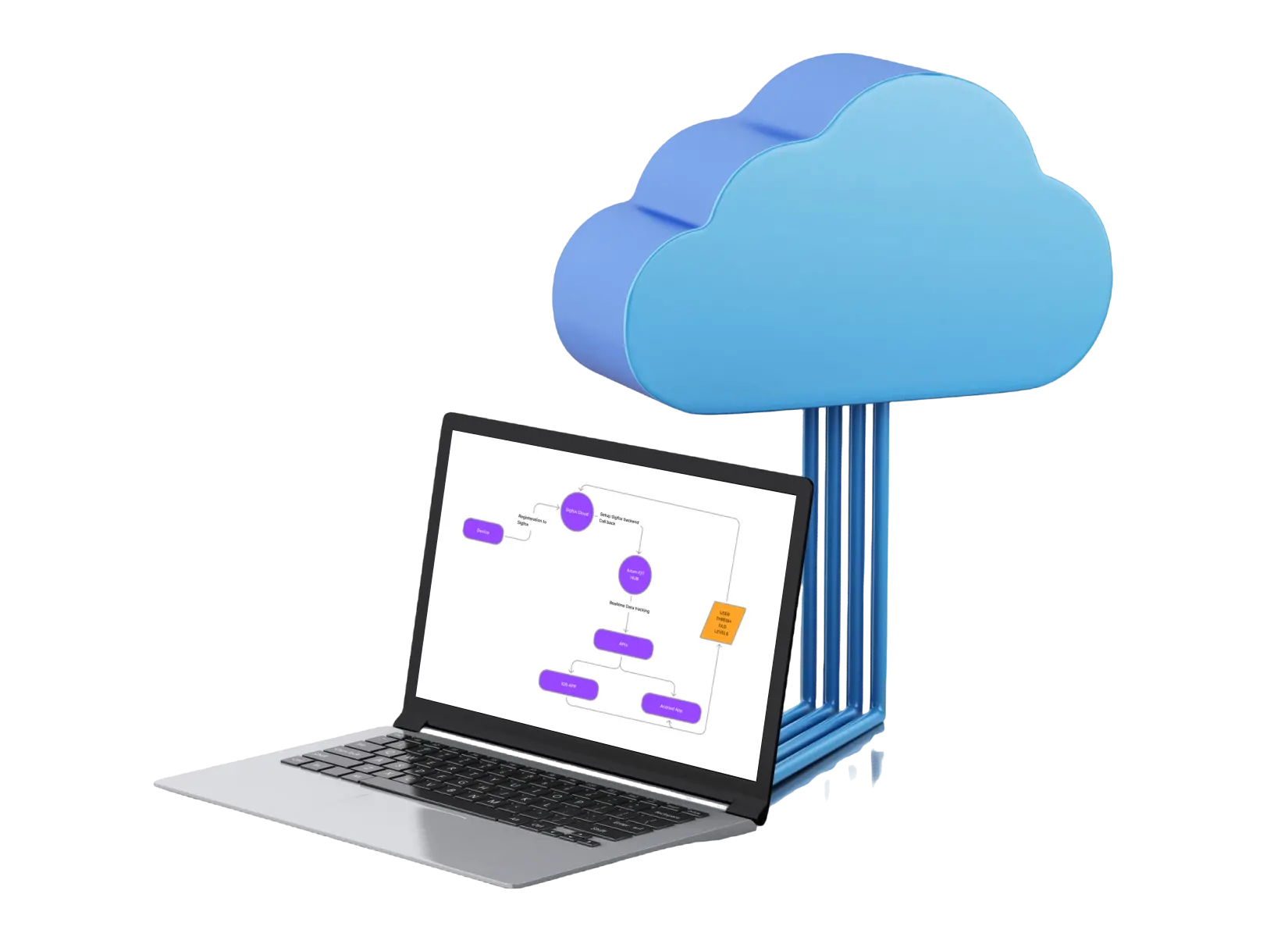
Connectivity. This is where protocols and technology related to
connectivity are useful. Through the use of techniques
like Wi-Fi, Bluetooth, Zigbee, LoRaWAN, and more
specialized protocols like MQTT, these technologies
facilitate smooth communication between devices and
the cloud or other devices. The system’s
requirements for speed, range, and power consumption
determine the connectivity option.
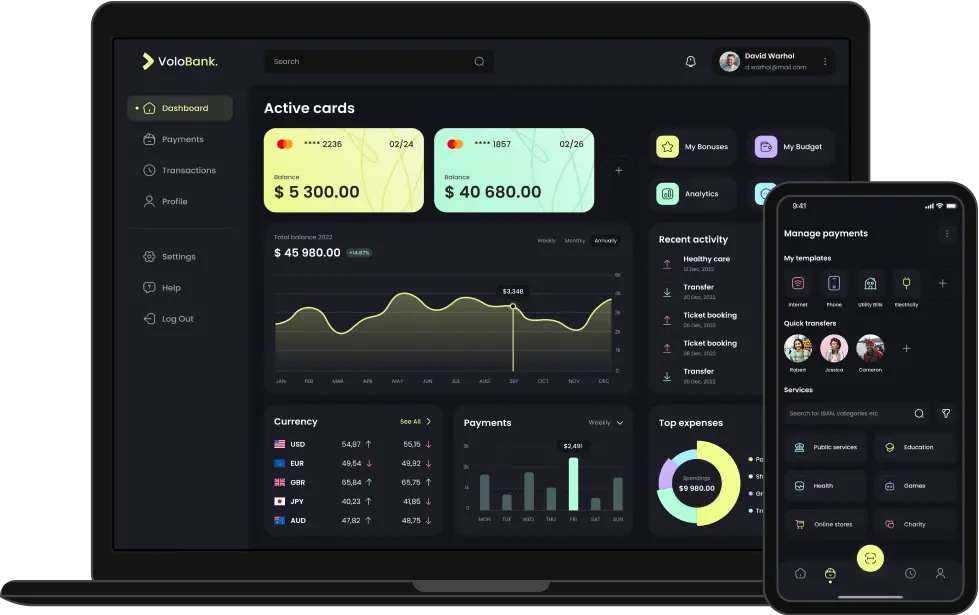
Data processing & analytics. To produce actionable insights, data must be
processed and evaluated after it has been gathered.
Either on the edge (close to the devices) or in the
cloud, where robust computer systems process the data
to create visually appealing information that is
simpler for humans to understand, this can be
done.
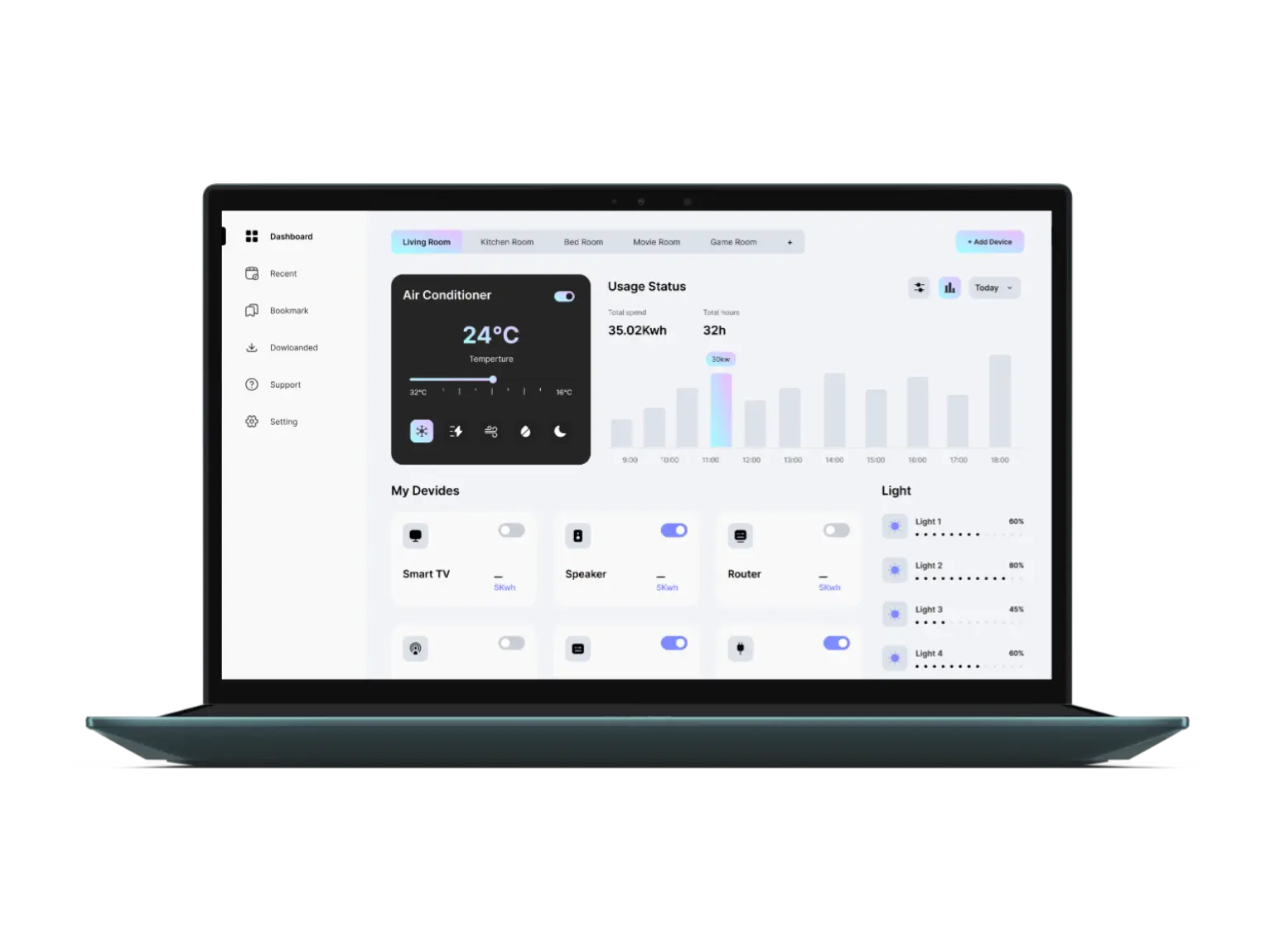
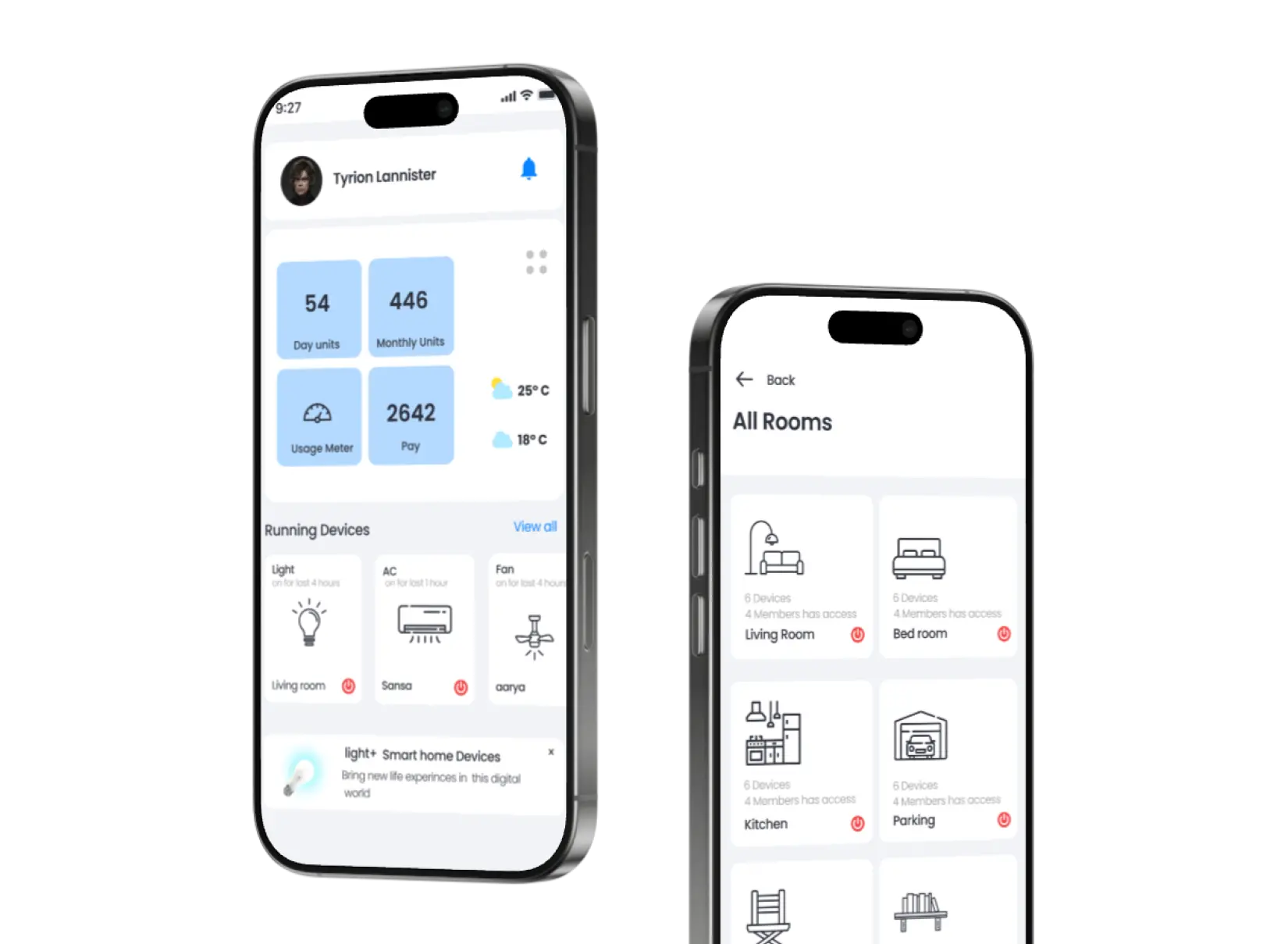
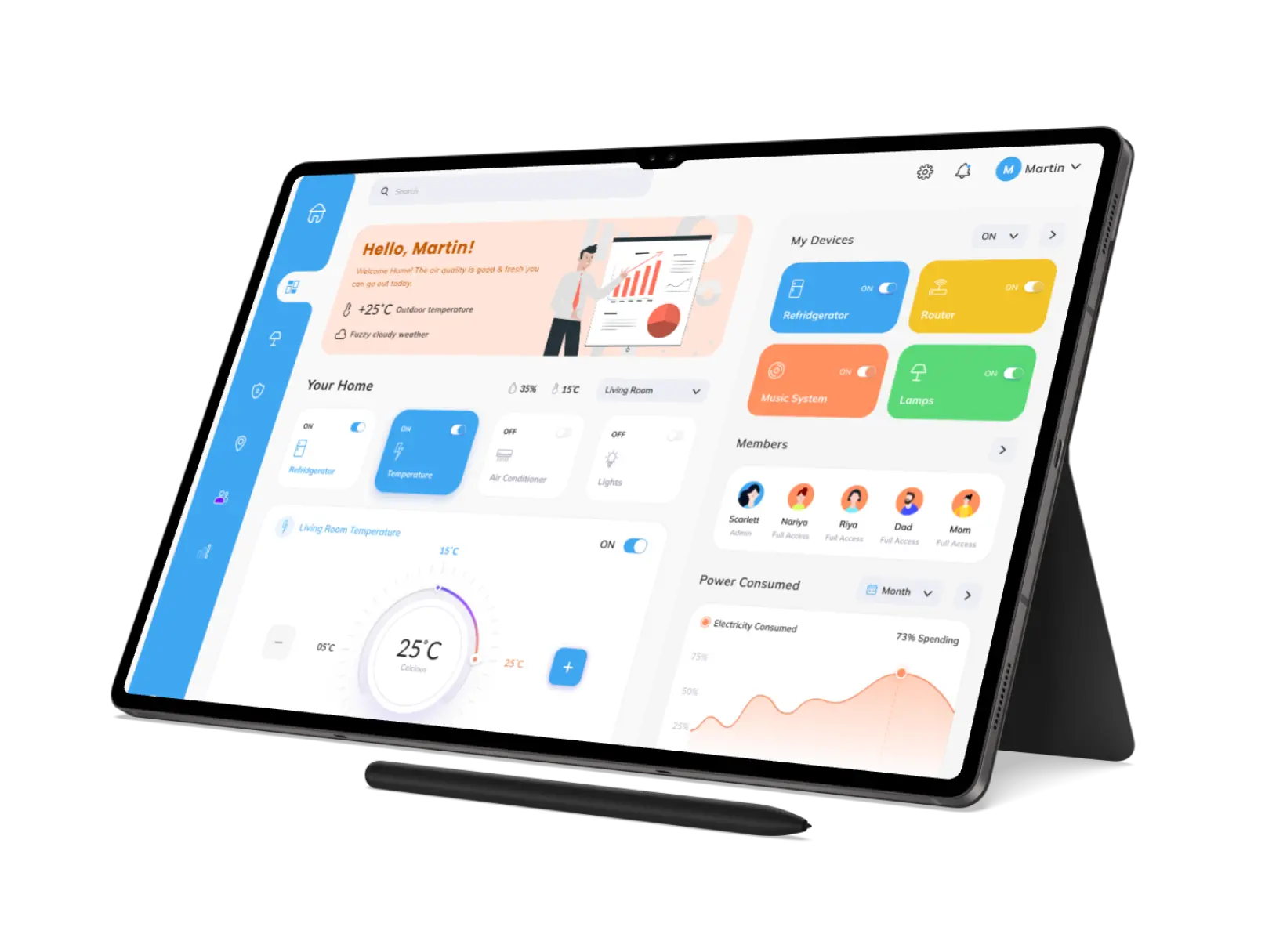
User Interface (UI). The IoT system’s user interface is how users
interact with it. This includes desktop or mobile apps
that let users control devices, keep an eye on data,
and get real-time updates. Complex IoT systems become
controllable and accessible with a well-designed user
interface (UI), allowing users to easily initiate
actions or make informed decisions.
at XSeeding, we combine these building blocks to create
IoT solutions that are both efficient and
user-friendly, scalable, and finely tuned to your
business’s exact needs.